

Haunted houses
A group activity to learn about common fears and stressors of the DiSC styles
Objective: Deepen understanding of common stressors or fears of each DiSC style. Through discussion, remember that though individuals with the same DiSC style likely share many tendencies, everyone is unique.
Prerequisites: General familiarity with DiSC and the concept of Halloween-style haunted house attractions.
Materials: For in-person trainings, large paper, markers, and tape. For virtual trainings, a collaborative whiteboard space and the ability to do breakout rooms.
Time required: 15–60 minutes, depending on which option you choose.
- Shortest option: You provide lists of fears and stressors, and each small group plans a haunted house for one style.
- Medium-short option: The group creates the lists of fears and stressors together, and each small group plans a haunted house for one style.
- Medium-long option: You provide lists of fears, and each small group plans haunted houses for all four styles.
- Longest option: The group creates the lists together, and each small group plans haunted houses for all four styles.
Instructions:
#1
Have the full group generate lists of what each of the four main DiSC styles fears. Add in any important fears and stressors that the group hasn’t listed.
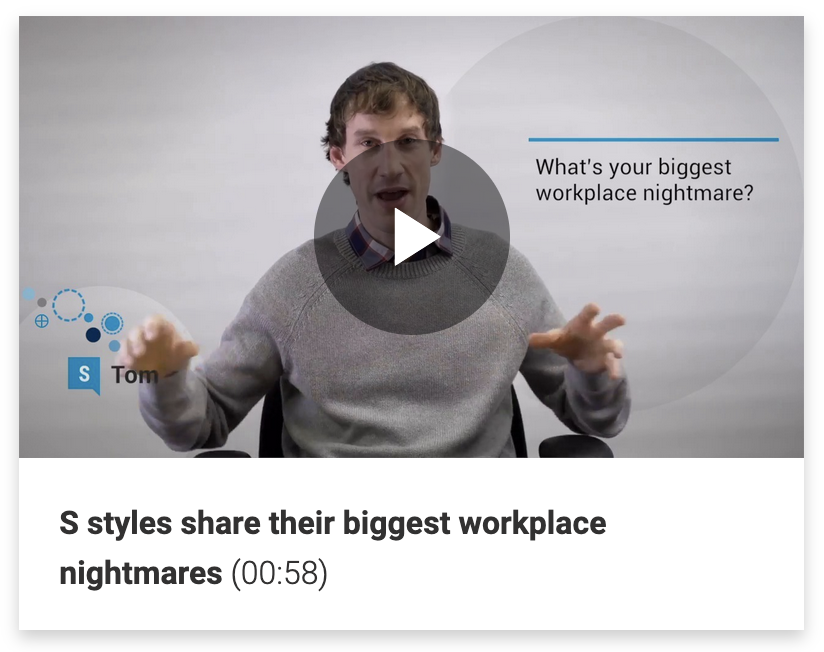
Before starting, you can play a few “In their own words” videos from the Catalyst Practitioner Experience to get people in the mindset. The “___ styles share their biggest workplace nightmares” videos are apt! (Some of these videos are available to learners on Everything DiSC on Catalyst; navigate to Workplace > You and other styles.)
#2
Divide into small groups.
For a shorter activity, assign each group one style. For a longer activity, have each group do all four styles.
Some options when forming small groups:
- Assign participants randomly.
- Build groups ensuring a variety of styles in each group.
- Create groups by style and have people focus on their style for the activity. (In other words, S-style people form a group and invent a haunted house for S styles.)
- Create groups by style and have people focus on a different style for the activity. (In other words, S-style people form a group and invent a haunted house for, say, D styles.)
#3
Instruct the groups to use the lists of core fears and stressors to imagine a haunted house or scary party designed for maximum fright to that style. Tell them how long they will have to complete the activity.
You can choose whether to offer examples. Like: “When you walk through the front door of the C-style haunted house, you step onto a stage where you must improvise a speech about a topic you aren’t familiar with. A panel of judges gives you a bad score. Also, you were late to the party because someone told you the wrong time. You walk to another room where everyone’s crying or yelling and you must interact with all these upset people to figure out what’s wrong, etc.”
Groups can write and/or draw. (Or you could get really creative with collage supplies, etc.)
#4
When time is up, call the groups back together. Ask them to share what they created with the larger group. Ideally, there will be a place to display the papers or whiteboards after they are presented, so learners can look back at them during the discussion.
#5
Lead a discussion about the haunted houses that participants presented.
Questions such as these may be appropriate:
- Which haunted house would be scariest for you? (And why?)
- Which haunted house would be least scary for you? (And why?)
- Which haunted house was hardest or easiest for you to design? (And why?)
- Were there aspects of the haunted houses presented that surprised you, or that you want to ask more about?
- Were there aspects presented for your style that offended you?
- What are some common stressors for your style that don’t actually feel that stressful for you?
- How do versions of these haunted houses appear in your actual work life?
- How can you use knowledge of style stressors to notice when teammates are experiencing stress?
- What can your teammates do to support you when you are experiencing stress at work?
- What can your teammates do to support you in growing braver around some of your fears at work?
- What helps when you feel stressed at work?
#6
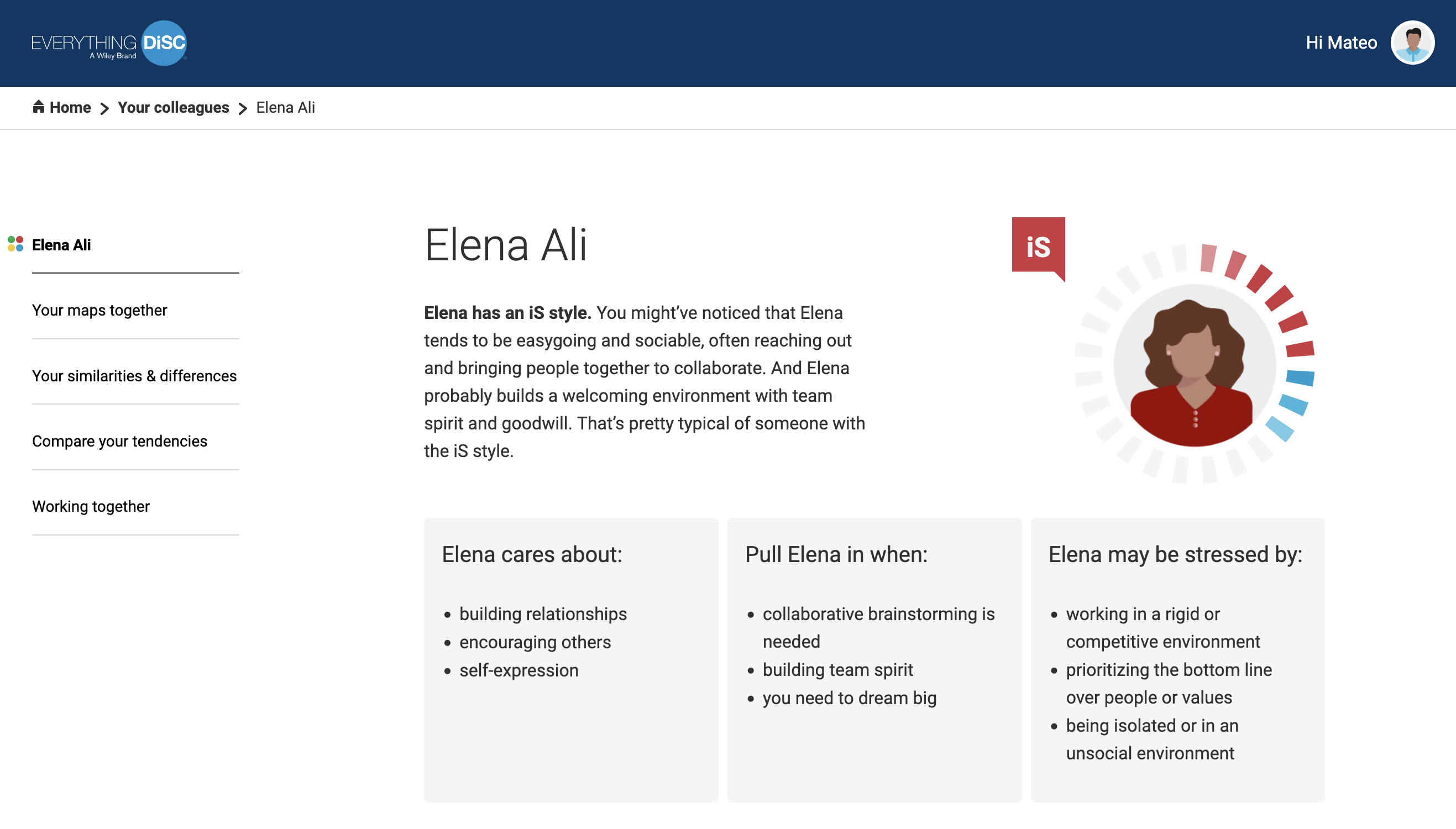
Make sure participants know how they can apply what they learned to their day-to-day work life. Demonstrate how they can use Everything DiSC on Catalyst for reminders on managing stress, what may stress out their colleagues, and more.
You may want to show:
- Comparing styles using Your colleagues
- Agile EQ > Beyond your comfort zone to help learners grow more confident calling upon mindsets that don’t come naturally to them
- For managers, Worksmart > Helping your team navigate change
#7
Provide the group with resources about style-based fears/stressors and managing workplace stress. These may include:
- Employee assistance programs at their organization
- Further reading, such as DiSC Styles and Stress or Agile EQ Mindsets (tips for being more receptive, composed, objective, resolute, self-assured, dynamic, outgoing, or empathizing)
- This visual reminder of Psychological needs of the DiSC styles (PDF)
- Reminders on how to compare styles with colleagues and build group maps on Catalyst